Time for Provincial Status

Gujrat Division, with a population of 7.36 million and an area of 9,438 km², is larger than 100 countries in population and 35 in land area. Despite its immense industrial weight and high concentration of foreign remittance inflows, it faces poverty, underdevelopment, and chronic neglect, receiving an estimated share of just 4.5% of Punjab’s development budget. Around 18.5% of its population in outlying rural pockets lives in poverty, 24% of higher secondary aged children are out of school, only 75.3% are literate, and nearly 36,000 crime cases are reported division-wide annually. Experts believe that granting permanent provincial status could be a game changer, ensuring fair representation, improved governance, and balanced development across the industrial Golden Triangle.
Key Socio-Economic Indicators
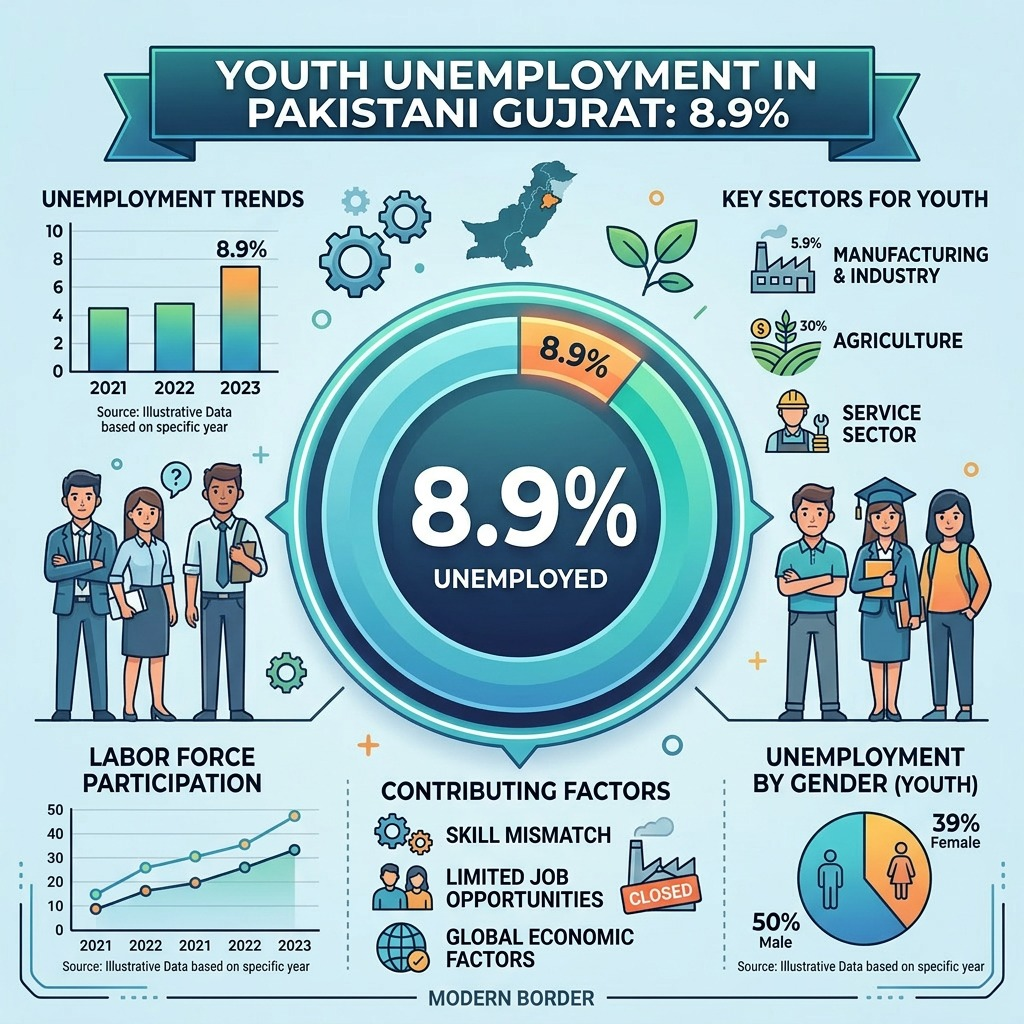
Youth Unemployment 8.9%
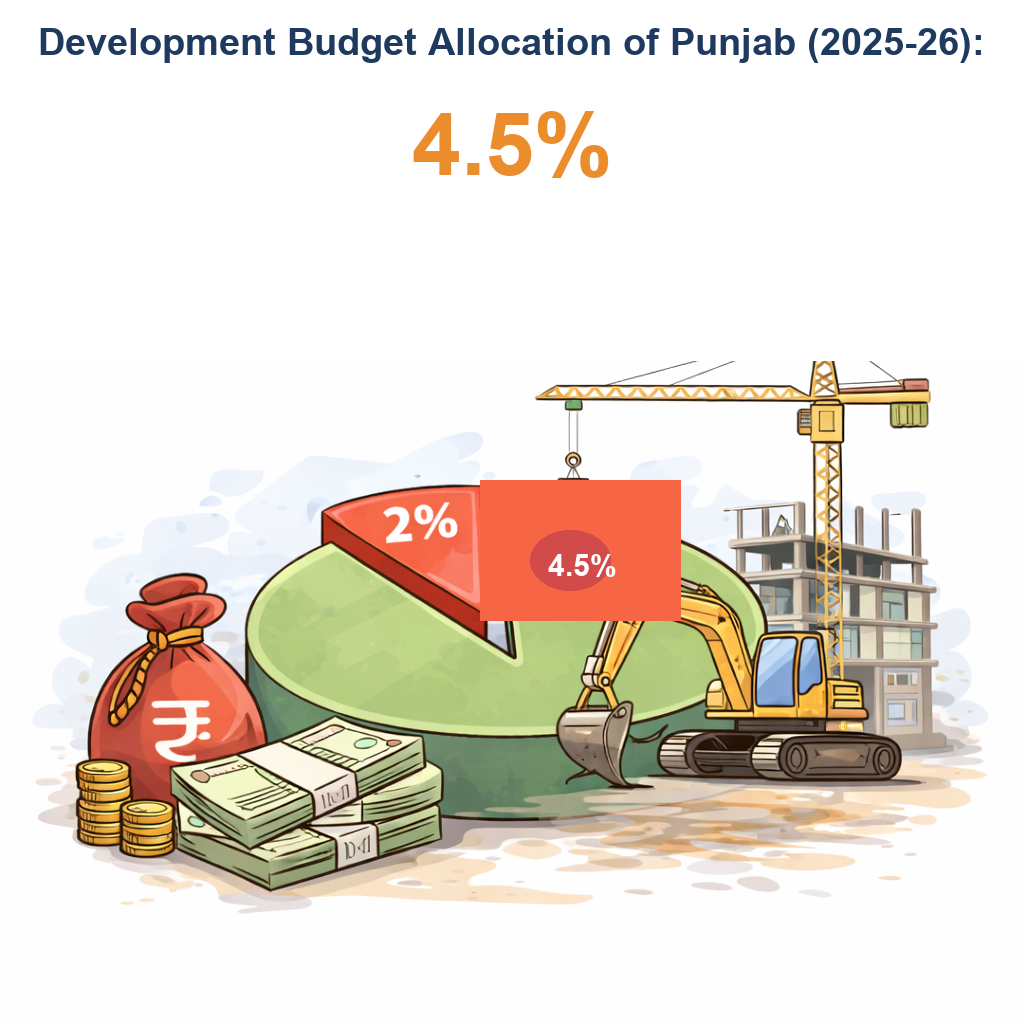
Development Budget Allocation of Punjab (2024-25) 4.5%
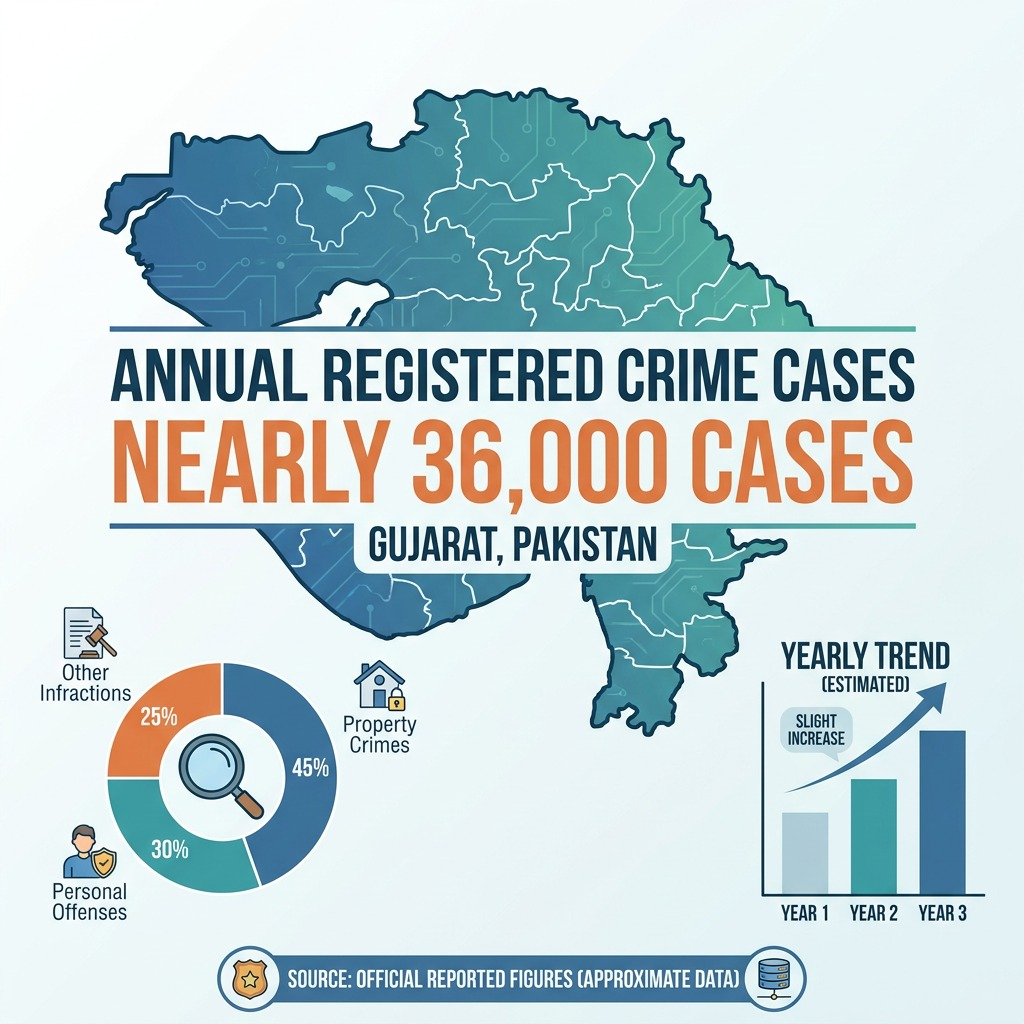
Annually Registered Crime Cases Nearly 36,000 cases
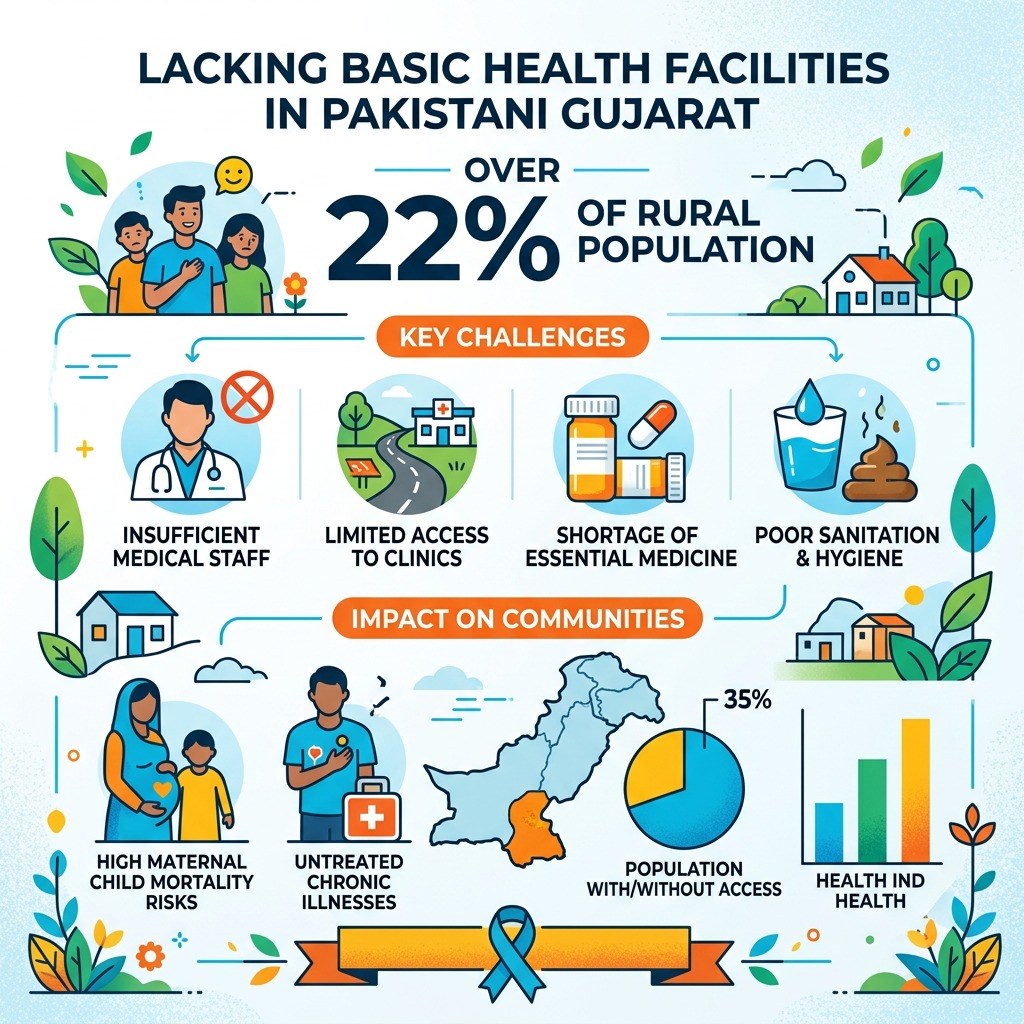
Lacking Basic Health Facilities Over 22% of Rural Population
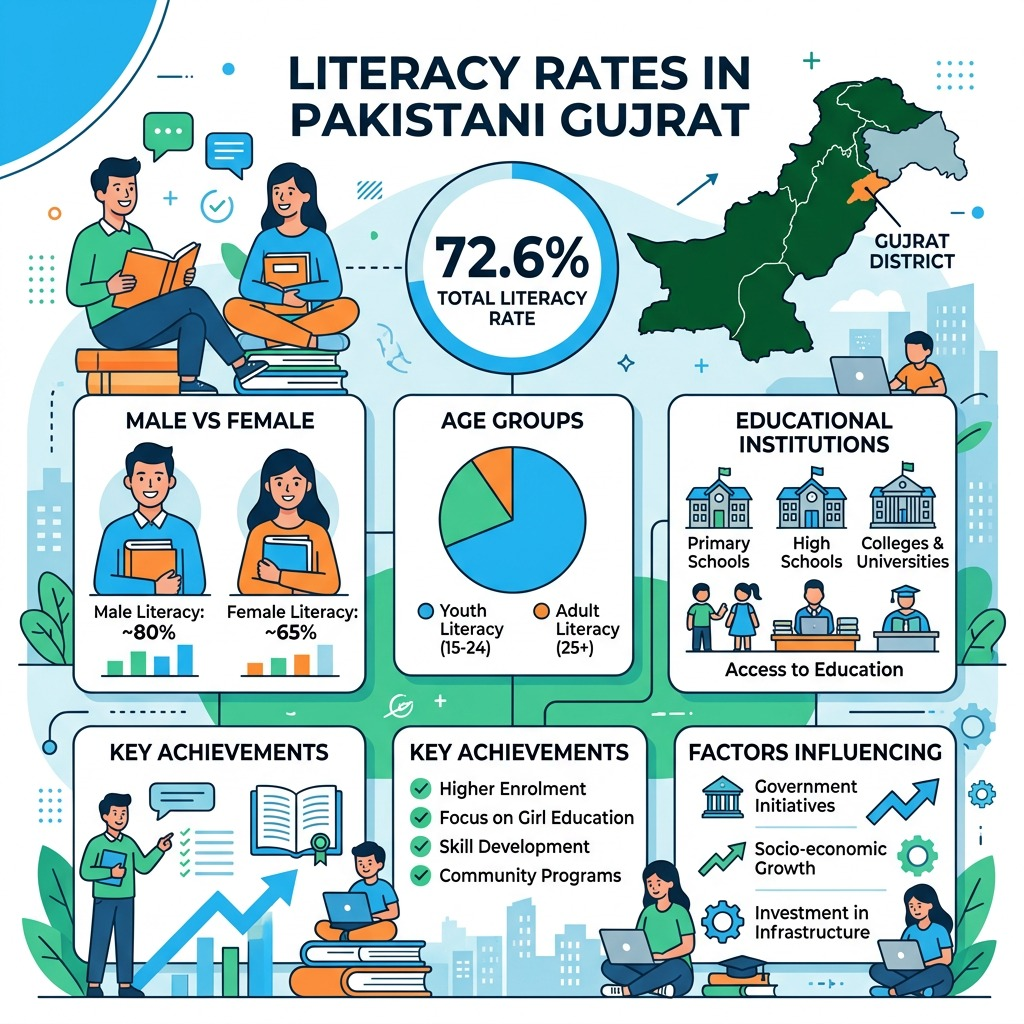
Literacy Rates 75.3%
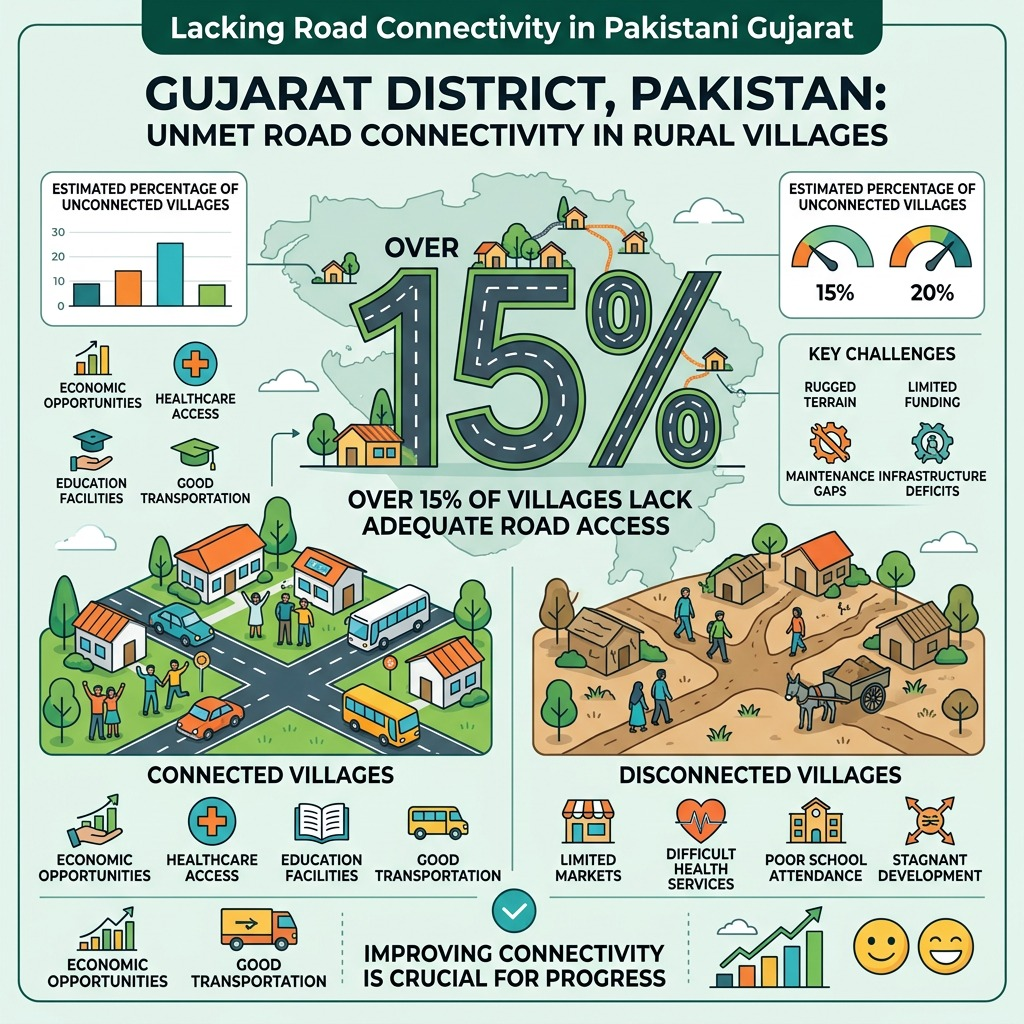
Lacking Road connectivity Over 15% of Villages
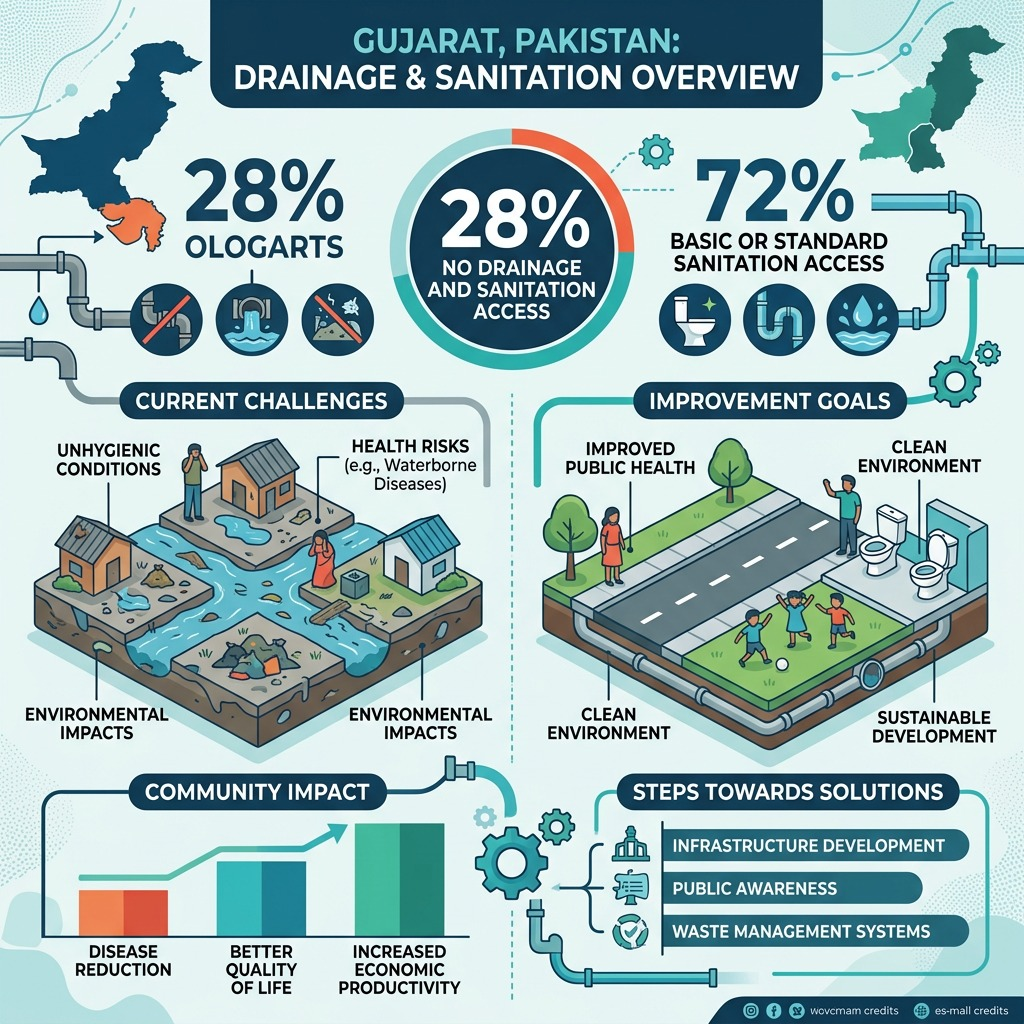
No Drainage and Sanitation 28%
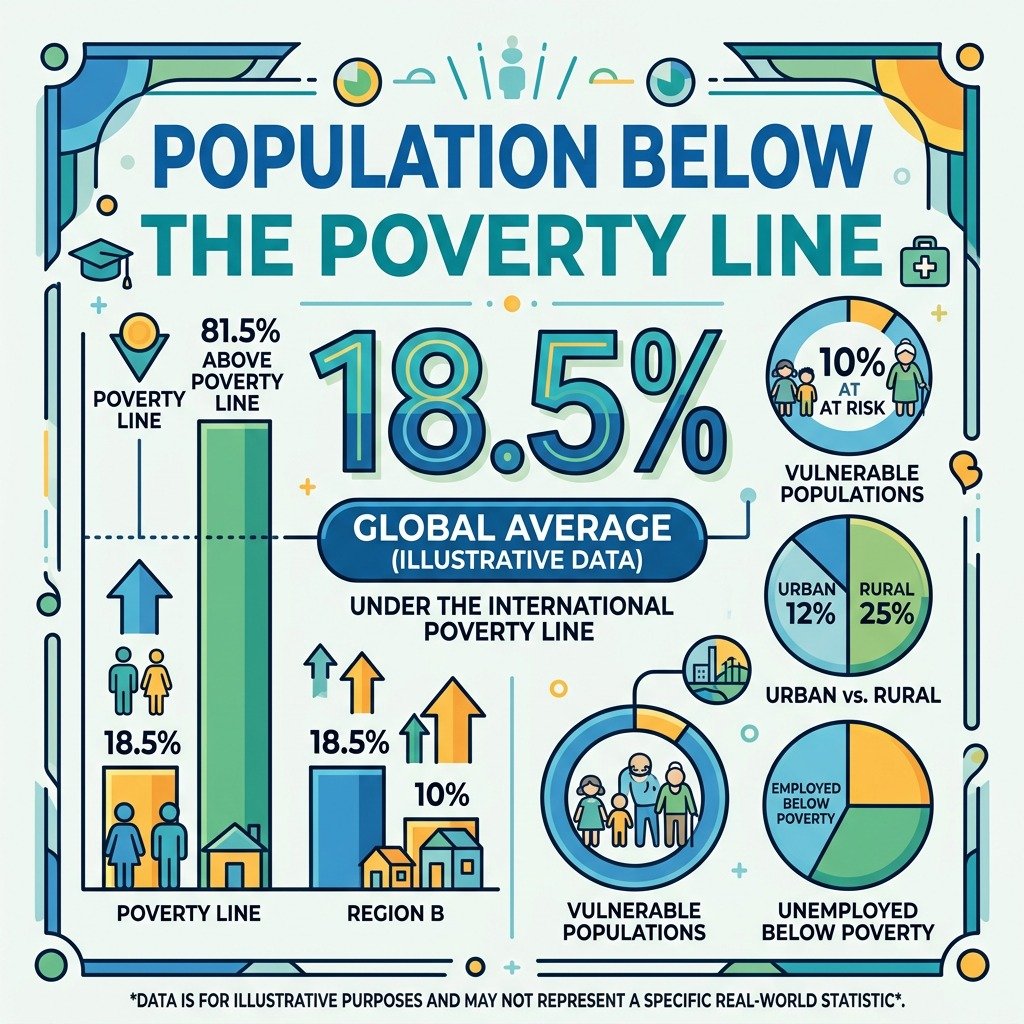
Population below the Poverty Line 18.5%
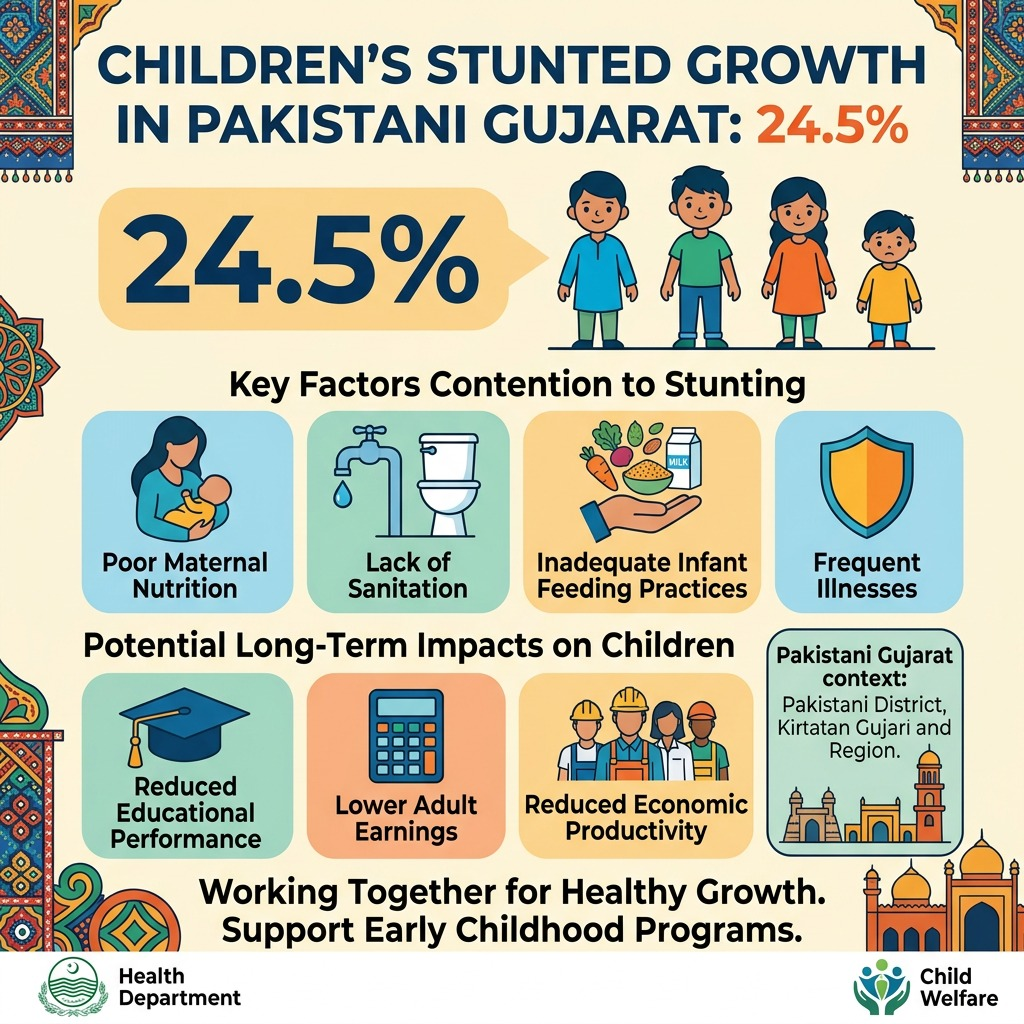
Children Stunted Growth 31.5%
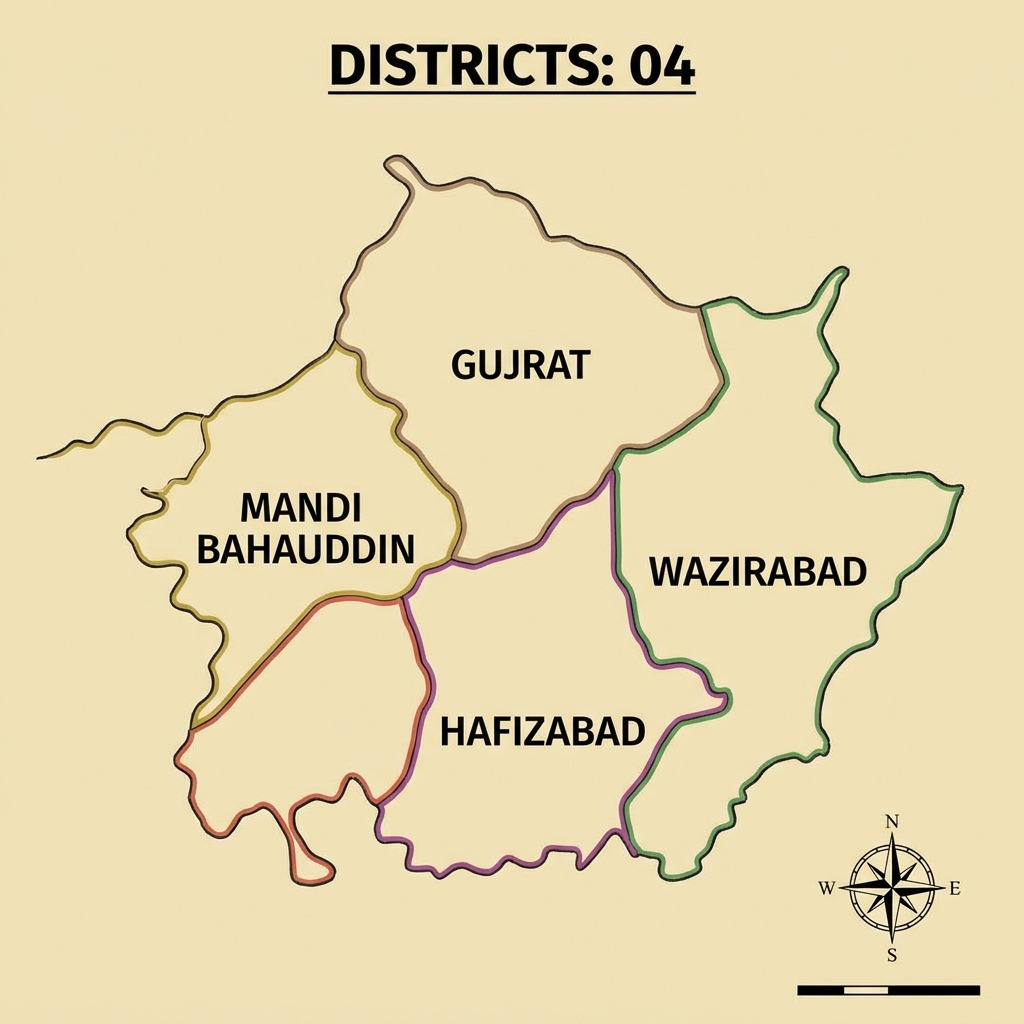
Districts 04 (Gujrat, Mandi Bahauddin, Hafizabad, Wazirabad)
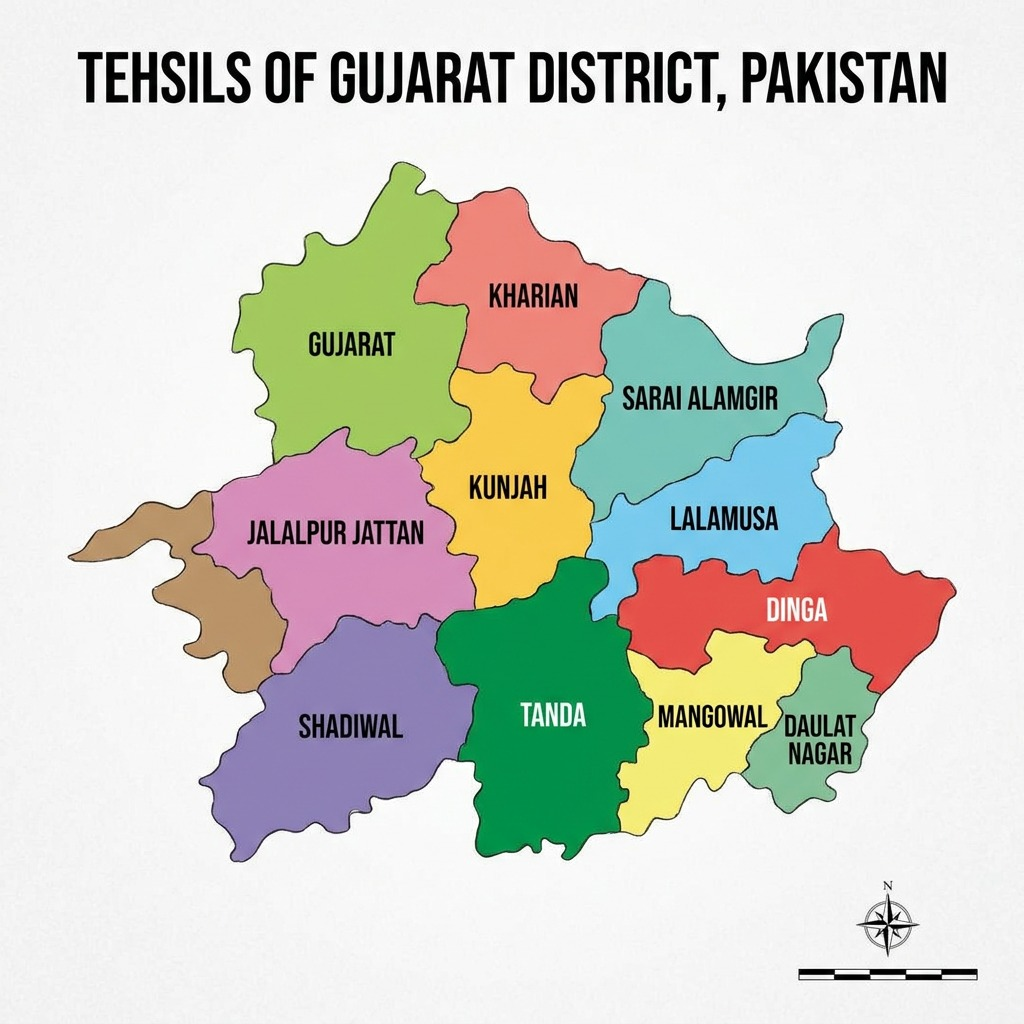
Tehsils Total: 11
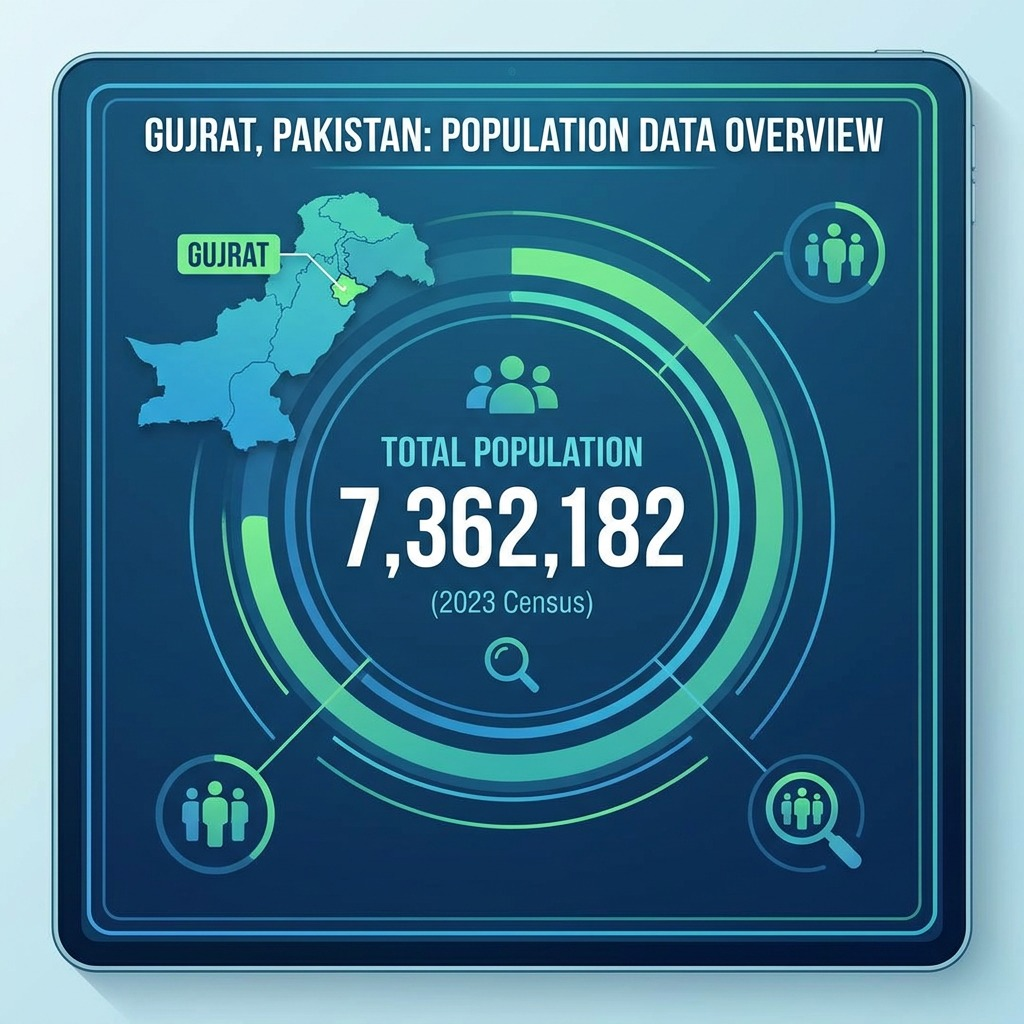
Total Population 7,362,182 (2023 Census)
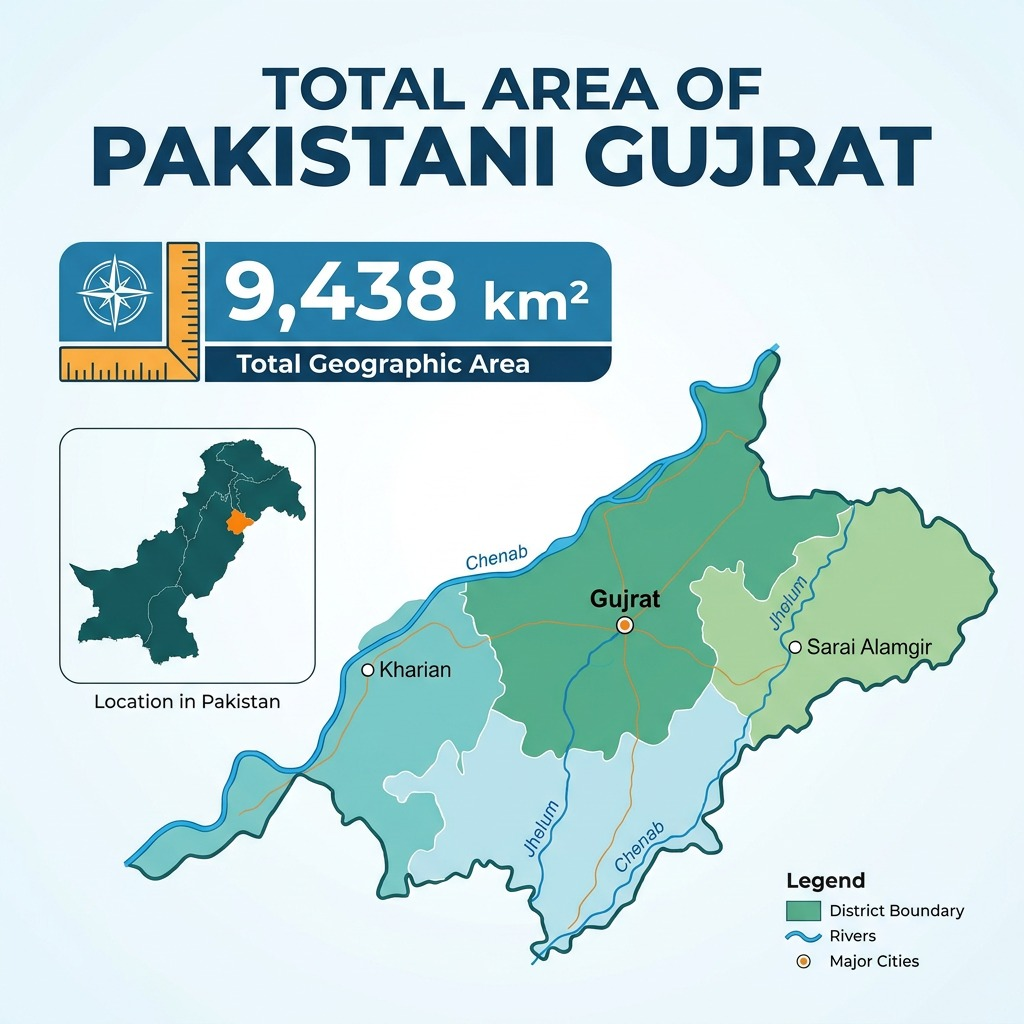
Total Area 9,438 km²
Youth unemployment in Gujrat Division — 8.9%
Development budget allocation of Punjab (2024-25) — 4.5%
Annually registered crime cases in Gujrat — nearly 36,000
Lacking basic health facilities — over 22% of rural population
Literacy rates in Gujrat Division — 75.3%
Unmet road connectivity in rural villages — over 15%
Drainage and sanitation overview — 28% without access
Population below the poverty line in Gujrat Division — 18.5%
Children's stunted growth in Gujrat Division — 31.5%
Gujrat Division districts — Gujrat, Mandi Bahauddin, Hafizabad, Wazirabad
Tehsils of Gujrat District — 11 tehsils
Total population of Gujrat Division — 7,362,182 (2023 Census)
Total geographic area of Gujrat Division — 9,438 km²
04
Districts
11
Tehsils
0
Population
0
Area (km²)

Key Challenges

Gujrat Division is grappling with a web of deep-rooted challenges from fragile healthcare and critical staff shortages to poor sanitation, unsafe drinking water, and limited education and job opportunities, collectively eroding public health and quality of life.

  • Health Overload:
    Primary healthcare facilities are severely strained due to high traffic along the Grand Trunk (GT) Road corridor, forcing rural and trauma patients to heavily congest a single centralized tertiary care facility.
  • Education Shortfalls:
    Despite maintaining a relatively high baseline literacy rate, dropouts accelerate sharply at higher secondary tiers as young men frequently abandon formal education for early blue-collar migration routes to Europe and the Gulf.
  • Sewerage Pollution:
    Heavy industrial toxic waste from local fan manufacturing, pottery kilns, and textile processing plants directly mixes into public municipal sewer lines without mandatory treatment, causing immense soil and agricultural crop pollution.
  • Drinking Water:
    Shallow water tables near urban and manufacturing clusters suffer from severe industrial chemical penetration and heavy metals contamination, turning traditional tube-wells toxic.
  • Employment Challenges:
    The core corporate sector is severely restricted; local economic output remains heavily dependent on traditional small-to-medium enterprises (SMEs) and low-tech engineering loops, forcing educated youth to look outward for high-income careers.
  • Budget Allocation:
    Gujrat Division receives 4.5% share of the development budget of Punjab’s FY 2024-25, having 38.71 billion of the total provincial, whereas Lahore Division takes a dominant 50% share.
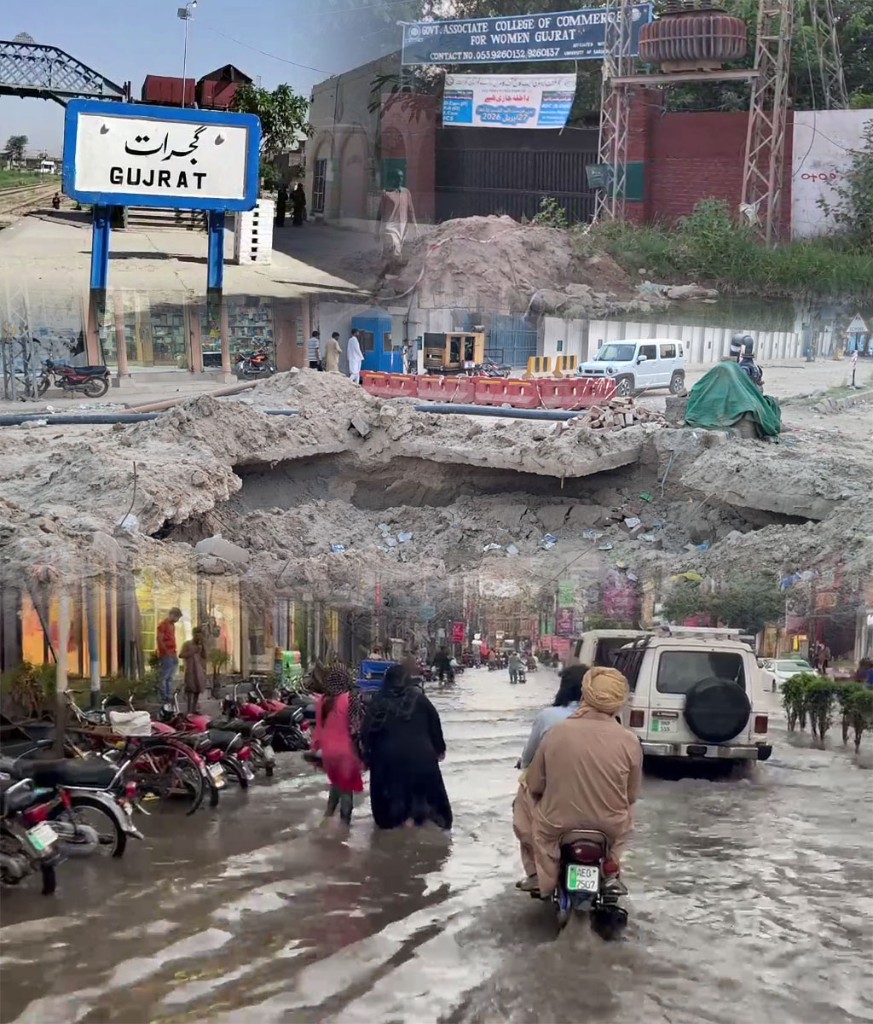
Infrastructure challenges in Gujrat: city sign, obstructed college entrance, road sinkhole, and flooded street

Governance Deficits

Sewerage Overload:

Gujrat division faces lower operational efficiency of sewerage disposal stations compared to Lahore.

Gujrat :
14/22 (64% Operational, in deteriorated condition)
Lahore Division :
124/124 (100% Operational)

Poor Road Infrastructure:

Gujrat’s main industrial and transit corridors are severely dilapidated, and key inter-city link roads have remained damaged for years due to heavy freight and transport traffic.

Drinking Water:

Gujrat Division faces a much worse drinking water crisis than Lahore Division.

Inactive Filtration Plants:

Gujrat
45%
Lahore
28%

Poverty Rate:

Compared to Lahore, Gujrat Division is facing a much deeper poverty challenge.

Gujrat Division (Outlying Rural Pockets)
18.5%
Lahore
4%-5%

Health Indicators

Stunted Growth & Wasting

Child malnutrition, including stunting and wasting, is significantly worse in Gujrat than in Lahore.

Stunted

Gujrat
31.5%
Lahore
27%

Wasting

Gujrat
8.5%
Lahore
7.7%

Beds per 1,000 people

The availability of hospital beds is considerably lower in Gujrat than in Lahore.

Gujrat Division
0.68
Lahore
1.2

Teaching & Specialized Hospitals

Lahore has a much stronger network of teaching and specialized hospitals than Gujrat.

Gujrat
1
Lahore
20

Child Health Crisis

The child health situation in Gujrat is far more alarming than in Lahore.

Infant Mortality (per 1,000 live births):

Gujrat
52
Lahore
44

Child Mortality:

Gujrat
61
Lahore
52

Health Professionals per 1,000

The health workforce is much weaker in Gujrat than in Lahore.

Gujrat Division
0.55
Lahore
1.2

Education shortfalls

Out of School Children

Gujrat faces a far greater challenge of out-of-school children than Lahore.

Out of School Children:

Gujrat
24%
Lahore
9%

Net Enrolment Rate

Gujrat faces a much deeper education gap in net enrolment than Lahore.

Net Enrolment Rate:

Gujrat
61%
Lahore
70%

Access to Schools

Limited school access remains a serious concern in Gujrat.

Gujrat
78%
Lahore
90%

Judicial Stats

High Court

The division does not have permanent Lahore High Court (LHC) Bench. Litigants must travel long distances to Principal Seat in Lahore to handle basic constitutional and corporate writ filings.

Distance: 120+ km travel to Lahore

Lower courts (Gujrat Division)

In the lower courts of the Gujrat Division, 30,610 criminal cases and 50,775 civil cases are currently pending.

Consequently, the total number of pending cases in the lower courts of the Gujrat Division amounts to 81,385.

Annually Registered Crime Cases

On average, approximately 36,000 crime cases are registered annually division-wide in the Gujrat Division.

Global Comparison:

  • Pakistan: 241.5 million people with 04 provinces
  • India: Had 9 states at independence; now has 37. New states are created every five years, doubling the pace of development.
  • China: 1.4 billion people with 31 provinces.
  • USA: 320 million people with 50 states.
  • Indonesia: 275 million people with 34 provinces.
  • Russia: 142 million people with 70 to 75 provinces.

More Videos

Chat with Us